
Your solar panel guide
An easy way to save money and cut your carbon.

Solar panels installed on the roof of a typical three-bed home could save around £600 a year on electricity bills.
This guide covers how to get them, how they work and how to benefit from them. Scroll down or click on the buttons to get started.
How solar panels work
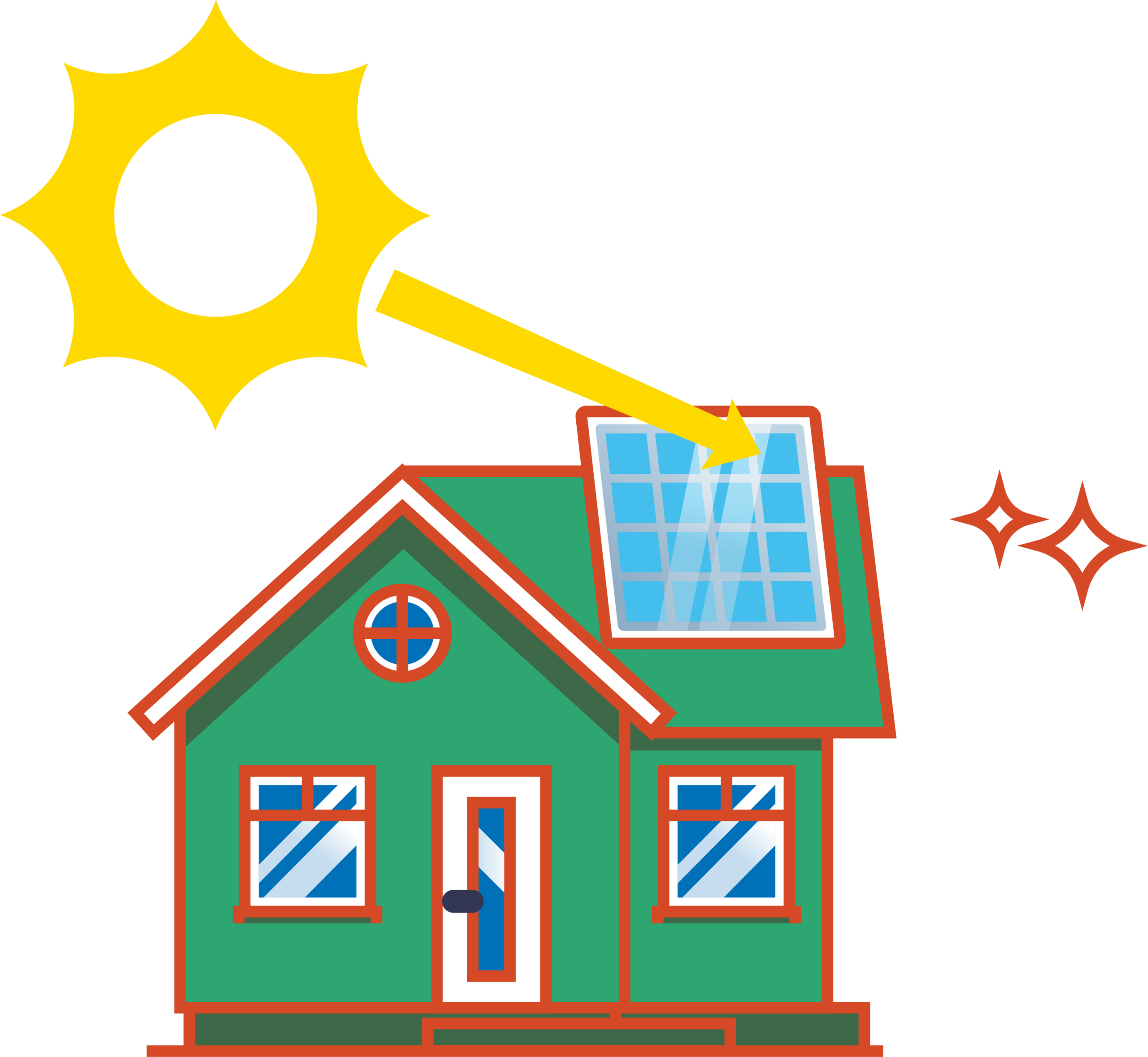
Solar panels capture the sun’s rays and turn them into electricity.
They need light (not heat) so they even work on cloudy and rainy days.
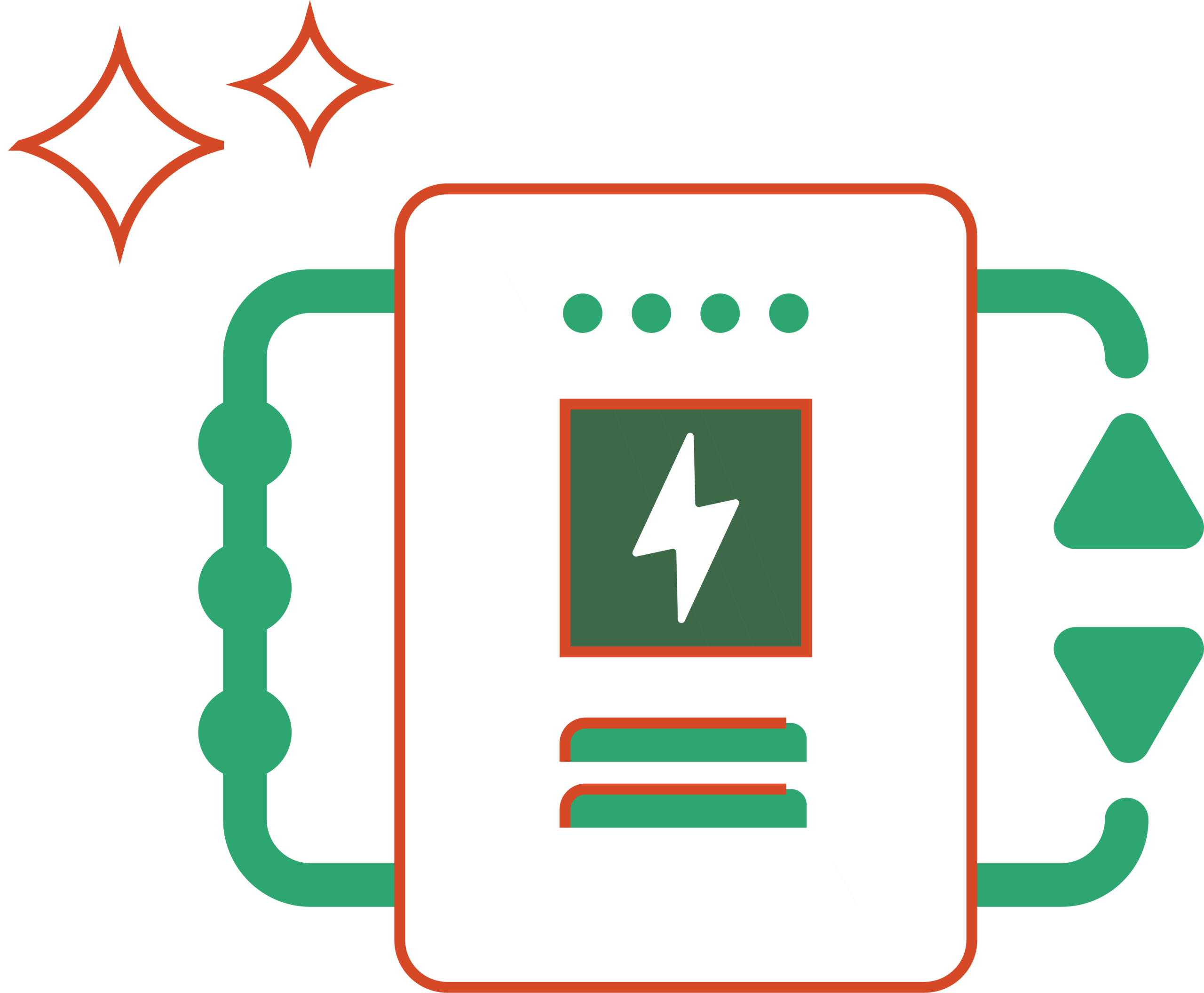
That electricity is sent to an inverter (a boiler-sized unit installed at the same time as solar panels).
It turns the electricity into a form your home can use.
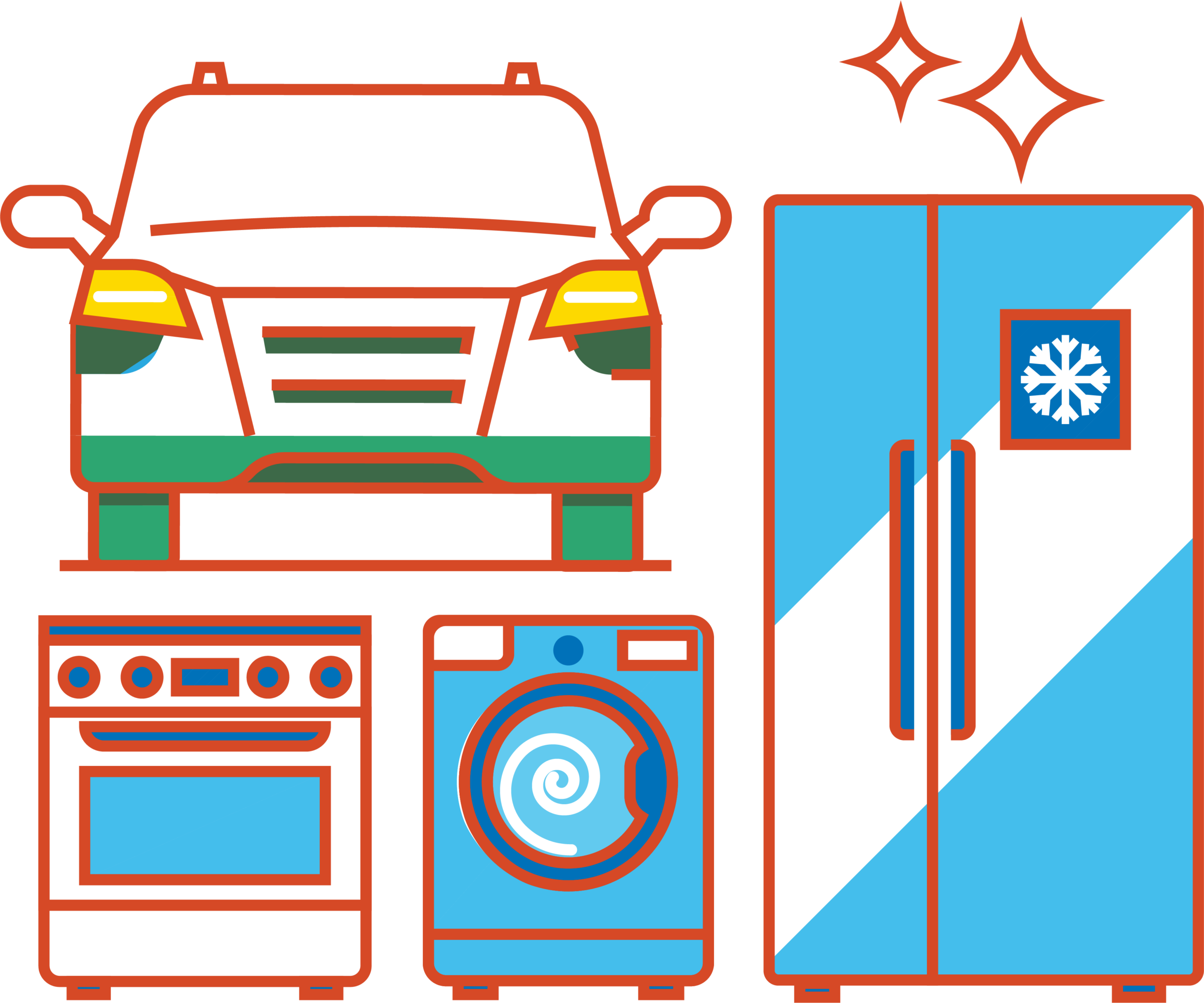
Your home uses the free, zero-emission electricity first to power lights and appliances. It can also heat your home, if it has a heat pump or electric heating.
As the energy is coming from your panels – and not the electricity grid – it lowers your bills.
And if your panels create more electricity than you use, you can even earn money by selling the surplus to the grid under the Smart Export Guarantee – there’s more about that on this webpage.
Your three-step guide to getting solar panels

See how many solar panels your roof could have
Solar Wizard is a free online tool that estimates how many panels could go on your roof – and how much it might cost.

Contact accredited installers
We’d recommend using an installer accredited by the Microgeneration Certification Scheme (MCS).
It’s best to get a quote from three different companies. Some will visit your home; others may quote over the phone.

Have your solar panels installed
It can take a few days. Scaffolding goes up first. Then installers fit mounting brackets to the roof and attach solar panels to them. Finally, the inverter is installed and connected to the panels and the home’s electricity system. The installer will need to temporarily turn off the power in your home.
Afterwards, the installer should explain how the panels work and how to get paid for the electricity they send to the grid.
What are other people saying about their solar panels?
“Our solar panels and battery are performing well. In the summer months last year, we pretty much only paid the standing charge for electricity. The panels generated everything we needed.”
Laura and Bruce, Sherfield on Loddon
Should I get a battery fitted too?
A battery can store energy your panels generate during the day so you can use it at night. But if it’s right for you depends on a few things, including…
- if your home uses all the electricity your solar panels create – or if there’s some left to go into the battery;
- what time of day you use more electricity; and
- your budget.
If you’re not sure, you could get solar panels first and add a battery later.
What about plug-in solar panels?
You can now buy solar panels that plug directly into your home’s electricity sockets. It’s a great option if you can’t or don’t want to put solar panels on your roof. And they could save you around £110 on your electricity bill every year.
You may need planning permission or building control permission to install them. You may also need permission from your landlord or building owner.
Always buy from a reputable retailer.
Looking for free advice?
You can talk to our Green Team for free, no obligation guidance – no matter what stage you’re at.
I’ve got a more technical question…
What is the Smart Export Guarantee?
The Smart Export Guarantee is a scheme that allows you to get paid for electricity your solar panels export to the electricity grid.
To receive payments, you’ll need to sign up for a tariff with an energy supplier. Payment rates vary between tariffs. Each energy company can set its own price per kilowatt hour, as long as it’s above zero. You can see which tariffs are available to you on your energy supplier’s website. You don’t have to use the same supplier as your electricity supplier – you can shop around choose a different one.
As plug-in solar panels do not export electricity to the grid, you cannot get paid for the energy they export through the guarantee.
What is an inverter?
Solar panels generate direct current (DC) electricity, which needs to be converted to alternating current (AC) for use in our homes. The inverter converts the DC electricity to AC electricity so it can be used for appliances in the home.
The inverter also manages the flow of electricity from your solar panels to your battery, if you have one.
How much do solar panels cost?
A typical rooftop solar panel system, suitable for a three-bed house, costs an average of around £6,000. The exact price will depend on several things, including how many solar panels you have installed and how easy it is for installers to access your roof.
A basic plug-in solar panel kit will typically cost between £350 and £600 with an estimated pay back time of four to six years
Should I get a smart tariff?
If you decide to get solar panels, you may be able to use a smart tariff with cheaper electricity at off-peak times – like at night – and higher rates during peak hours – such as during the day. This helps you make the most of your solar energy while benefiting from low overnight prices – ideal for charging an electric vehicle or home battery. You can speak to your energy supplier to see what’s available.
Why should I use an installer accredited by the Microgeneration Certification Scheme (MCS)?
Your rooftop solar panel system will need to be installed by an MCS-accredited company if you want to sell surplus electricity to the grid. Installations often need to be MSC accredited for the manufacturer’s warranty to be valid and to meet necessary building regulations. It also means the system has been designed and installed according to UK technical standards, which helps maintain the system’s performance over time.
Do I need planning permission to get solar panels?
Unless you are in a conservation area or a listed building, rooftop solar panels are usually permitted development, meaning you shouldn’t require planning permission. If you are in a conservation area it may still be possible – email the borough council at [email protected] to check.
If you are installing plug-in solar panels, you may need planning permission, building control approval or permission from your landlord or building owner to install them
Do solar panels need maintenance?
Solar panels require very little maintenance and are generally self cleaning, thanks to natural rainfall. To keep your system performing at its best, you can have them professionally cleaned. You may also wish to arrange a routine inspection and maintenance every few years.
Can I put solar panels in my garden?
Yes – if you have adequate space and there are no shading concerns, ground mounted solar panels can be a great option if you have sufficient space – particularly if your home is listed and you are not able to put them on your roof. They can be more expensive to install than putting solar panels on your roof.
If installing plug-in panels, they must be directly connected to a standard exterior plug socket. Do not use extension leads as this could lead to increased risk of overloading and fire
How can I make the best use of my solar panels?
To make the most of the electricity your solar panels generate, it’s a good idea to run high usage appliances – such as washing machines or cookers – during the day when the panels are producing the most power.
Staggering these appliances – rather than running them all at once – helps you use as much of the free electricity your solar panels create as possible. Many appliances have delay start timers, which can make this even easier to manage. If you have a smart meter, you will be able to see whether you have excess electricity.
How long do solar panels last?
Both rooftop and plug-in solar panels typically last about 25 years.
The inverter, though, may need to be replaced after 10 years.
My quote mentions ‘kWp’ and ‘kWh’ – what do they mean?
‘kWp’ stands for kilowatt peak. It describes the maximum rate at which a solar panel system can generate electricity under ideal circumstances. For example, a one-kilowatt peak system could produce up to one kilowatt of power in perfect sunlight, although real world output is usually lower. Most home solar arrays fall between three and four kilowatt peak.
‘kWh’ stands for kilowatt hours. It measures the total amount of energy a solar panel system produces over time. This depends on several factors, including what direction panels face in, how shaded they are, how much sunlight there is, the number of solar panels you have and the kilowatt peak rating of solar panels. As a guide, a well-designed solar panel system typically generates around 700 to 900 kilowatt hours of electricity per kilowatt peak each year. So if you had a three-kilowatt peak solar panel system, you could expect it to produce somewhere between 2,100 and 2,700 kilowatt hours of electricity every year.