
Cleaner and greener eating
What we eat and drink is a significant part of our emissions that we can easily control, making up more than a fifth of our total footprint.
Scroll down for a few ideas on how you can cut your emissions.
Don’t have a cow, man
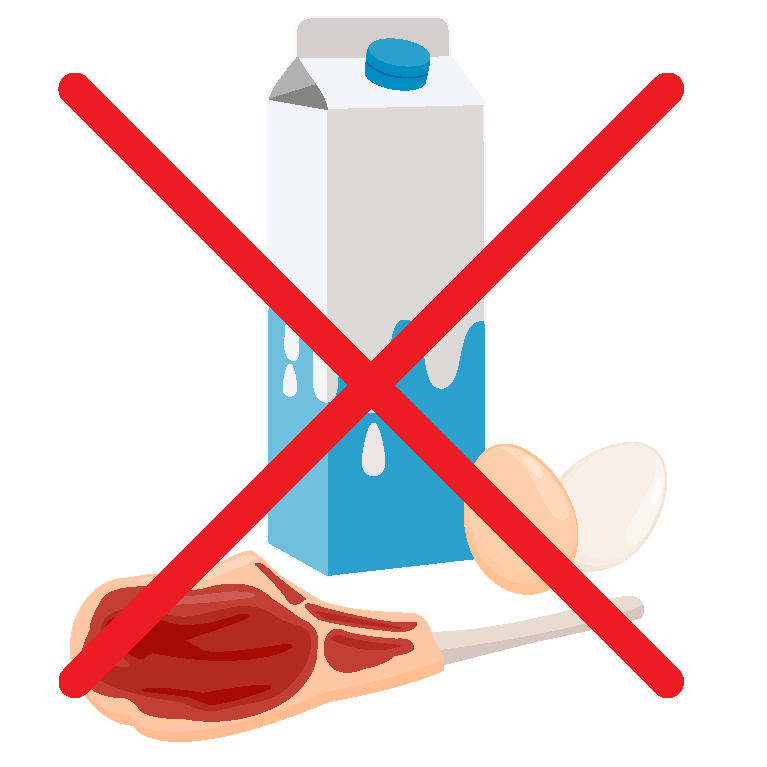
Meat and dairy products have the highest carbon footprint, particularly beef and lamb. Try a meat-free Monday and experiment with plant-based favourites such as curries, chilli, pasta dishes and soups. Even a small reduction can make a difference.
Crucially, what we eat is more important than where it comes from, when it comes to climate change (although sourcing locally is good for lots of reasons too!).
Buy what you need and eat what you buy

Plan your meals, write a shopping list and check your cupboards before shopping. This can prevent unnecessary purchases and help you save money. The average UK family can waste around £700 a year on food that is never eaten.
Use the link below to help you prepare the right amount.
Seasoning is important
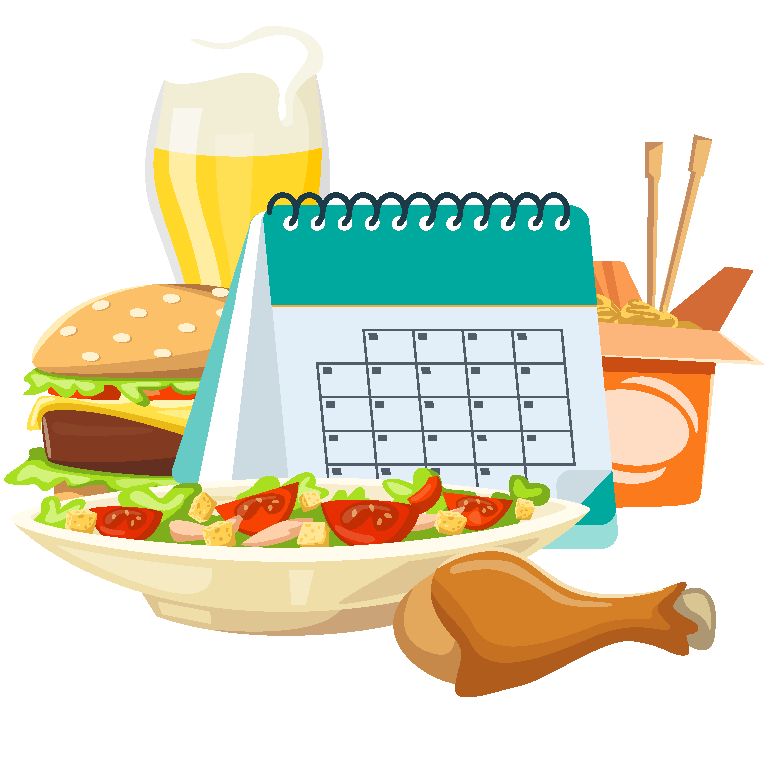
We’re not criticising your cooking, we promise! Eating fruit and vegetables when they are naturally in season reduces the energy needed to grow, store and transport them. This is particularly important for products that have a short shelf-life, such as berries, where out-of-season variants are flown to the UK, significantly increasing their impact.
Buying from local farmers, markets and independent shops also supports local producers and shortens the journey from farm to fork. How food is produced can be more important than distance alone, so choose seasonal and responsibly produced food where possible.
Grow your own

Growing herbs, salad leaves, fruit or vegetables can reduce packaging and provide fresh produce close to home. You do not need a large garden. Herbs, tomatoes and salad leaves can all be grown in pots or window boxes.
Cook creatively

We all have leftovers or that food we’ve forgotten about at one point or another. In fact, the average family throws out £60 worth of food every month. You can save around £700 a year on your food bill by getting creative with your leftovers.
Turn extra vegetables into soup, curry or pasta sauce, and use leftover rice, potatoes or bread in new meals. Freeze anything you will not eat straight away and plan a weekly “use-it-up” meal to clear the fridge before buying more food.
Recycle food waste and cut packaging
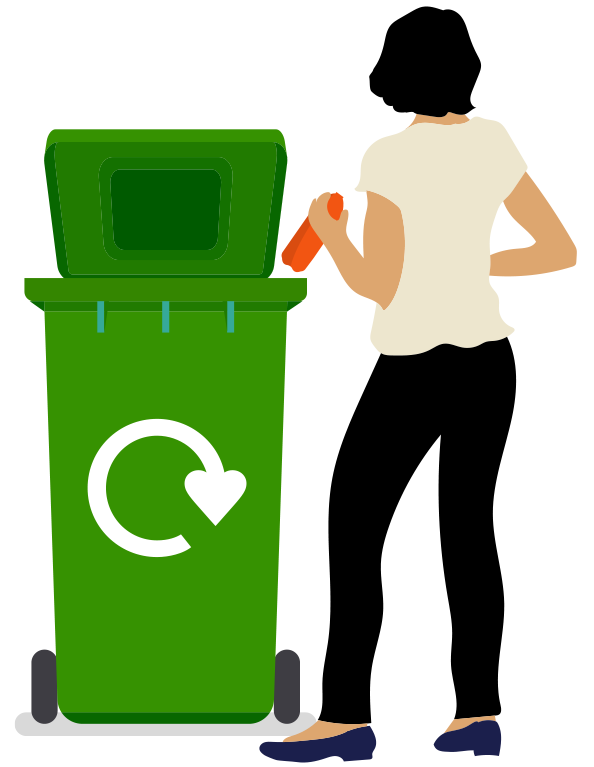
Put unavoidable food waste, such as peelings, bones, eggshells and tea bags, in your food recycling caddy. Locally collected food waste is taken to an anaerobic digestion facility in Herriard, where it is converted into more than 10 million kWh of energy each year.
You can also reduce waste by buying loose fruit and vegetables, choosing refillable products and carrying a reusable coffee cup and water bottle.
Are we missing anything?